Today’s chosen theme: Effective Techniques for Personal Equilibrium. Step into a calm, practical space where science-backed habits meet lived wisdom. Explore small, repeatable actions that steady your mind, body, and schedule—and share your experiences so we can learn together and grow this community.
Grounding Practices That Calm the Nervous System
When worry spikes, name five things you see, four you feel, three you hear, two you smell, and one you taste. This anchors attention to the present moment. Try it now and comment with your favorite unexpected sensory detail that grounded you today.
Grounding Practices That Calm the Nervous System
A short walk on grass or textured earth can subtly shift posture, breath, and awareness. Notice temperature, pressure, and foot placement. I once defused a tense meeting day by stepping outside for two quiet shoeless minutes. Share your micro-escape story.
Grounding Practices That Calm the Nervous System
Inhale for four counts, exhale for six, continuing for two to four minutes. The longer exhale nudges the parasympathetic system and softens internal tempo. If you feel lightheaded, ease up. Save this technique, and tell us how many rounds work best for you.
Designing Micro-Rituals for Everyday Balance
Before opening your inbox, sit with a notebook and write three lines: how you feel, one priority, and one support. My mornings changed when I started this—less scatter, more clarity. Try it tomorrow and share your three lines in the comments.
Designing Micro-Rituals for Everyday Balance
Close one task gently before opening another: stretch your shoulders, drink water, and rename your next intention out loud. These thirty seconds reduce cognitive residue that pulls you off-center. What is your favorite transition cue? Teach the community your version.
Cognitive Tools to Reframe Stress
Name It to Tame It
Label the emotion precisely—anxious, disappointed, overwhelmed—then locate it in your body. Accurate naming helps reduce intensity and clarifies next actions. Practice today and post your most helpful emotion label; your example might help someone else feel seen.
Worst-Case—Best-Case—Most-Likely
Sketch three outcomes: worst-case, best-case, and most-likely. Add one small step you can take for each. This widens perspective and restores balance. I used it before a difficult conversation and walked in steadier. Try it and share your three-column snapshot.
Postural Reset at Your Desk
Plant feet, lengthen spine, soften jaw, and broaden collarbones. Set a sixty-minute reminder until it becomes automatic. I felt fewer afternoon dips after two weeks. Try this hourly reset and tell us which cue—jaw, feet, or shoulders—changes your focus fastest.
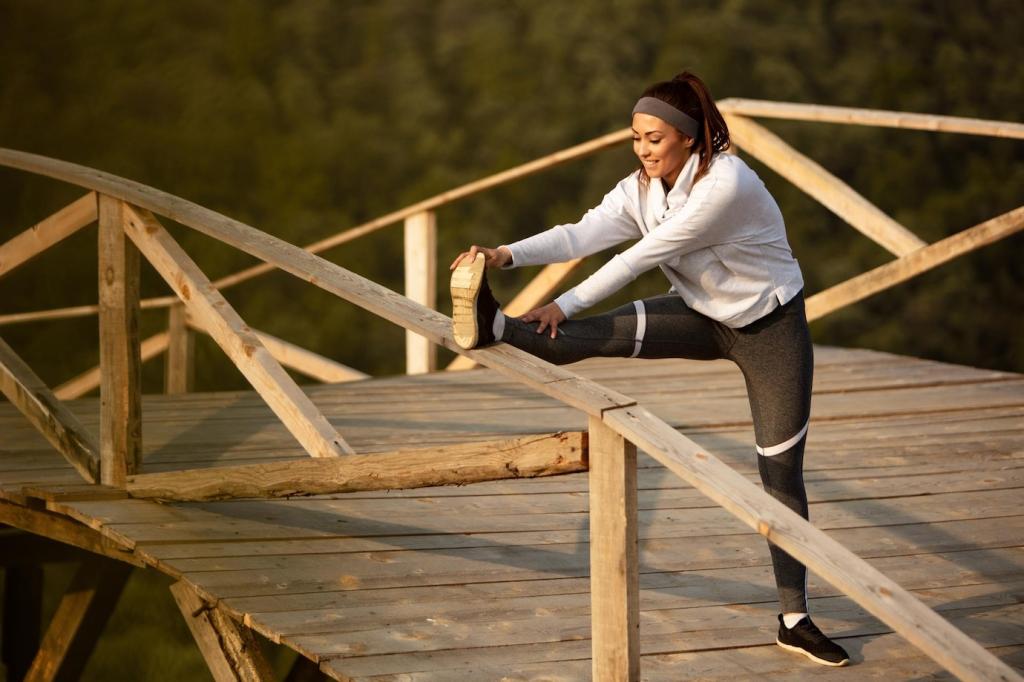
Combine neck circles, shoulder rolls, and hip hinges for two minutes. Micro-movement lubricates joints and unknots mental churn. Add music if it helps. Record your favorite two-minute playlist and share a link; we’ll compile community favorites for balance breaks.
A clean no is brief, kind, and final: thank you for asking, I can’t commit, wishing you success. No apology spiral. My workload stabilized when I adopted this sentence. Write your clean no in the comments and bookmark it for future requests.
Energy Boundaries and Social Equilibrium
Only accept plans you are at least seventy percent excited to keep. This simple rule reduces resentment and improves follow-through. Track one week and share your percentage insights. Did equilibrium improve when low-energy obligations dropped from your calendar?
Nutrition and Rhythm for Steady Moods
Stable Blood Sugar, Stable Emotions
Pair protein and fiber with carbohydrates to slow spikes and crashes. Notice how your mid-morning focus shifts when breakfast balances macronutrients. Try one tweak tomorrow and report back; your breakfast experiment can inspire someone else’s steadier afternoon.
Hydration with Purpose
Underhydration mimics anxiety for many people. Keep water visible, add a pinch of electrolytes if needed, and link sips to habit cues like emails sent. Track how hydration affects your equilibrium this week and share patterns the community can learn from.
Caffeine Curfew Experiments
Move your last coffee earlier by one hour for three days, then reassess sleep quality and evening calm. Keep notes and iterate. If you discover your ideal curfew, post it below—your data point might help another reader dial in their rhythm.
Tracking and Reflecting to Sustain Change
Write a single sentence each night: what helped equilibrium today? Mine last Wednesday was, walked during lunch despite rain. The sentence anchors momentum. Start tonight and share your first log line to encourage others starting their tracking habit.